
What is wind loading on buildings?
Wind loading shapes how buildings are designed — understand the forces, types, and when a specialist study is essential.
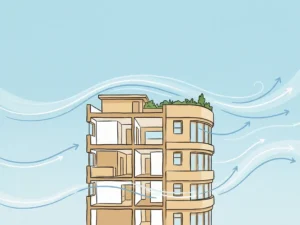
Wind loading shapes how buildings are designed — understand the forces, types, and when a specialist study is essential.
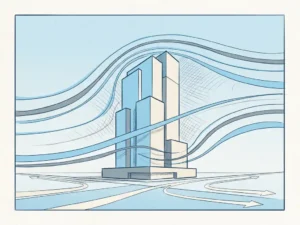
Discover how wind engineers use CFD and wind tunnel testing to evaluate aerodynamic building behaviour — before costly design changes become unavoidable.
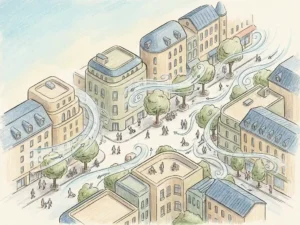
Poor pedestrian wind comfort empties plazas and creates safety risks — here's what urban planners need to know.
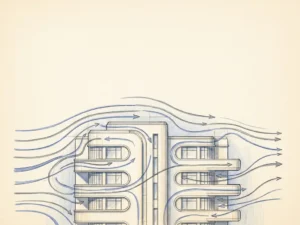
NEN 8100, Lawson, or Eurocode? Discover which wind engineering standard governs your building project and why it matters.

Wind engineering helps architects avoid costly redesigns, permit delays, and dangerous street-level gusts — here's what you need to know.
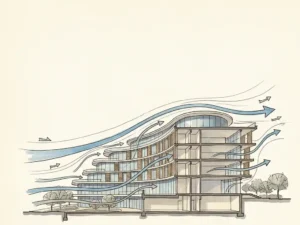
Wind speed can quadruple facade pressure and create dangerous ground-level gusts — here's what every building designer must know.
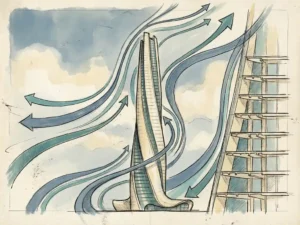
Wind study required for your high-rise? Learn which standard applies, when it's legally mandatory, and how to fix hazards early.
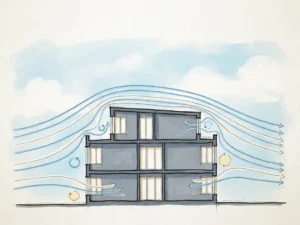
Discover how wind behaves around buildings, when a formal study is required, and what 15 m/s really means for pedestrian safety.

Wind engineering shapes safer, greener cities — here's how airflow analysis transforms urban design and livability.

Three building orientations silently multiply wind speeds — learn which layouts cause the worst pedestrian hazards and how to fix them.
Made by 